Featured
Why Financial Literacy Is More Crucial Than Ever in 2026

Restoring Your Credit Score After the 2026 Economic Shift

How Local Residents Use Equity for Financial Flexibility
Table of Contents
Current Rates Of Interest Patterns in the local community
Consumer debt markets in 2026 have actually seen a significant shift as charge card rates of interest reached record highs early in the year. Many homeowners across the United States are now facing annual percentage rates (APRs) that go beyond 25 percent on standard unsecured accounts. This financial environment makes the cost of carrying a balance much greater than in previous cycles, forcing people to look at debt decrease strategies that focus specifically on interest mitigation. The 2 primary techniques for accomplishing this are debt combination through structured programs and debt refinancing by means of new credit items.
Managing high-interest balances in 2026 needs more than just making larger payments. When a significant portion of every dollar sent out to a creditor goes towards interest charges, the primary balance barely moves. This cycle can last for decades if the rates of interest is not reduced. Families in your local area often discover themselves choosing in between a nonprofit-led financial obligation management program and a private consolidation loan. Both alternatives goal to streamline payments, however they work in a different way relating to interest rates, credit ratings, and long-lasting financial health.
Many households realize the worth of Proven Interest Reduction Programs when managing high-interest credit cards. Choosing the right path depends on credit standing, the total quantity of debt, and the capability to preserve a strict regular monthly budget plan.
Nonprofit Financial Obligation Management Programs in 2026
Not-for-profit credit counseling firms provide a structured technique called a Financial obligation Management Program (DMP) These agencies are 501(c)(3) companies, and the most trusted ones are approved by the U.S. Department of Justice to supply specialized counseling. A DMP does not involve getting a brand-new loan. Rather, the company works out directly with existing creditors to lower rate of interest on bank accounts. In 2026, it prevails to see a DMP lower a 28 percent charge card rate to a range between 6 and 10 percent.
The process involves combining numerous regular monthly payments into one single payment made to the agency. The firm then disperses the funds to the numerous lenders. This technique is readily available to locals in the surrounding region no matter their credit report, as the program is based upon the agency's existing relationships with nationwide lending institutions instead of a new credit pull. For those with credit report that have already been impacted by high debt usage, this is often the only viable method to protect a lower rates of interest.
Expert success in these programs typically depends on Interest Savings to guarantee all terms are beneficial for the consumer. Beyond interest decrease, these companies likewise provide financial literacy education and real estate counseling. Since these organizations frequently partner with regional nonprofits and neighborhood groups, they can provide geo-specific services customized to the requirements of your specific town.
Re-financing Debt with Personal Loans
Refinancing is the procedure of securing a brand-new loan with a lower rates of interest to pay off older, high-interest financial obligations. In the 2026 loaning market, individual loans for debt consolidation are commonly offered for those with great to exceptional credit history. If an individual in your area has a credit report above 720, they might certify for an individual loan with an APR of 11 or 12 percent. This is a substantial enhancement over the 26 percent often seen on credit cards, though it is usually higher than the rates worked out through a not-for-profit DMP.
The primary advantage of refinancing is that it keeps the customer completely control of their accounts. Once the personal loan pays off the credit cards, the cards remain open, which can help lower credit utilization and potentially enhance a credit score. Nevertheless, this presents a threat. If the specific continues to utilize the charge card after they have been "cleared" by the loan, they might end up with both a loan payment and new credit card financial obligation. This double-debt circumstance is a common mistake that monetary therapists warn versus in 2026.
Comparing Total Interest Paid
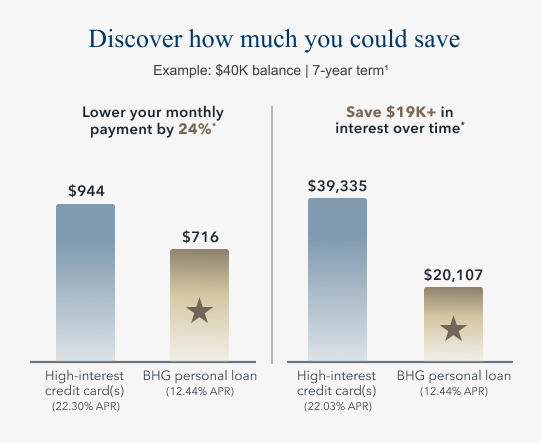
The primary goal for many people in your local community is to lower the total quantity of money paid to loan providers over time. To understand the difference in between consolidation and refinancing, one must look at the total interest expense over a five-year period. On a $30,000 debt at 26 percent interest, the interest alone can cost countless dollars yearly. A refinancing loan at 12 percent over 5 years will considerably cut those expenses. A debt management program at 8 percent will cut them even further.
People often try to find Interest Savings in Idaho when their monthly obligations surpass their income. The distinction in between 12 percent and 8 percent might appear little, however on a big balance, it represents thousands of dollars in cost savings that stay in the customer's pocket. Furthermore, DMPs often see lenders waive late costs and over-limit charges as part of the settlement, which offers instant relief to the total balance. Refinancing loans do not typically use this benefit, as the new lending institution simply pays the current balance as it bases on the declaration.
The Impact on Credit and Future Loaning
In 2026, credit reporting agencies view these two methods in a different way. A personal loan used for refinancing looks like a brand-new installation loan. This may trigger a little dip in a credit rating due to the hard credit questions, but as the loan is paid down, it can strengthen the credit profile. It demonstrates an ability to handle different kinds of credit beyond just revolving accounts.
A debt management program through a nonprofit firm involves closing the accounts included in the plan. Closing old accounts can temporarily decrease a credit report by decreasing the typical age of credit rating. Nevertheless, a lot of individuals see their scores improve over the life of the program due to the fact that their debt-to-income ratio enhances and they establish a long history of on-time payments. For those in the surrounding region who are thinking about personal bankruptcy, a DMP works as an important happy medium that avoids the long-term damage of a personal bankruptcy filing while still offering substantial interest relief.
Selecting the Right Path in 2026
Deciding in between these 2 choices requires an honest evaluation of one's financial circumstance. If a person has a stable earnings and a high credit report, a refinancing loan provides versatility and the prospective to keep accounts open. It is a self-managed service for those who have currently fixed the spending practices that caused the debt. The competitive loan market in the local community methods there are lots of alternatives for high-credit customers to discover terms that beat charge card APRs.
For those who need more structure or whose credit rating do not enable low-interest bank loans, the nonprofit financial obligation management path is typically more efficient. These programs offer a clear end date for the financial obligation, usually within 36 to 60 months, and the negotiated rate of interest are often the most affordable offered in the 2026 market. The inclusion of monetary education and pre-discharge debtor education ensures that the underlying causes of the financial obligation are attended to, minimizing the opportunity of falling back into the exact same scenario.
Despite the selected approach, the concern stays the very same: stopping the drain of high-interest charges. With the monetary environment of 2026 presenting distinct obstacles, doing something about it to lower APRs is the most effective method to ensure long-term stability. By comparing the regards to personal loans versus the advantages of not-for-profit programs, homeowners in the United States can discover a path that fits their particular budget and goals.

Latest Posts

Winning Strategies for Credit Improvement in 2026

How Nationwide Counseling Programs Conserve You Cash

Why Financial Literacy Is More Crucial Than Ever in 2026